The short answer: in 2026, the steel Rolex Daytona holds its value better in absolute terms, trading further above its retail price than any other current Rolex, while the GMT-Master II holds its value almost as well from a lower starting point and is easier to buy. Which is the better choice depends on whether you are spending in the mid-teens of thousands or the mid-twenties, and on how often you want to wear the watch. This guide sets out what drives the value of each, how they compare on the secondary market in London, and how to protect whichever one you choose.
What makes a Rolex hold its value in the first place?
A Rolex holds its value when demand at retail outruns supply, because every buyer who cannot get one from an authorised dealer turns to the secondary market and is willing to pay above list to skip the wait. Three things feed that gap. Production is controlled, so steel sports models are made in smaller numbers than the market wants. The designs change slowly, so a five-year-old reference still looks current. Rolex services and supports its watches for decades, so a used one carries little risk. The Daytona and the GMT-Master II both sit inside that gap, which is why both are discussed as value holders. The question is how deep inside it each one sits.
How has the Rolex Daytona performed on the secondary market?
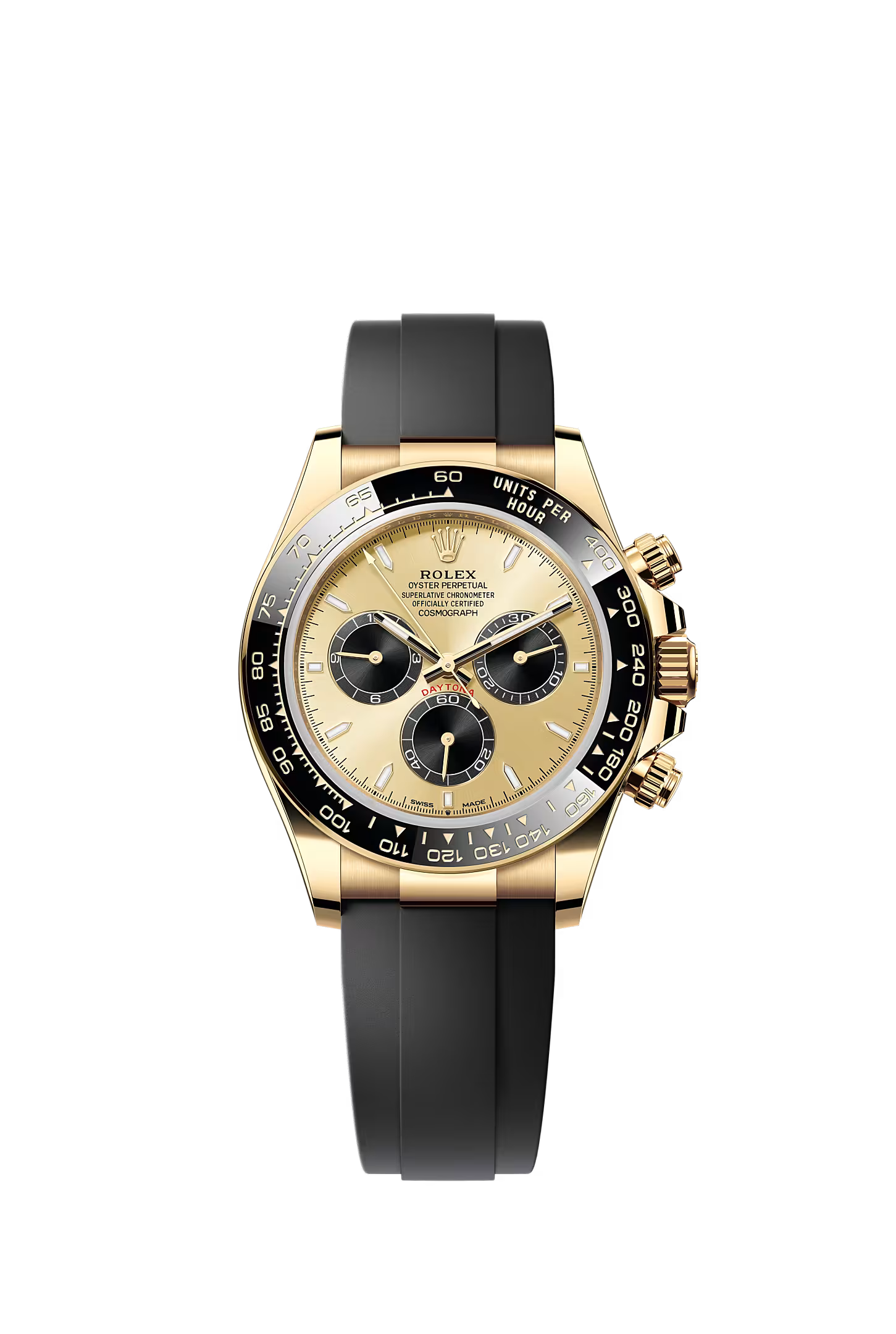
The steel Daytona has been the strongest performer in the Rolex catalogue for most of the last decade, and in 2026 the ceramic bezel 126500LN still sells well above its retail price with little sign of that premium closing. The reason is simple: it is the hardest Rolex to buy at an authorised dealer, with waiting lists that run for years and are often closed to new customers. Its predecessor, the 116500LN, has held up almost as well, and the panda dial versions of both draw the strongest demand. Precious metal Daytonas behave differently. Gold and platinum references trade closer to retail, with the exceptions being distinctive dials such as the meteorite dial, the green dial on the yellow-gold 116508, and the rarer factory configurations, which carry their own collector premium.
Shop the Rolex Daytona collection
How has the Rolex GMT-Master II performed?
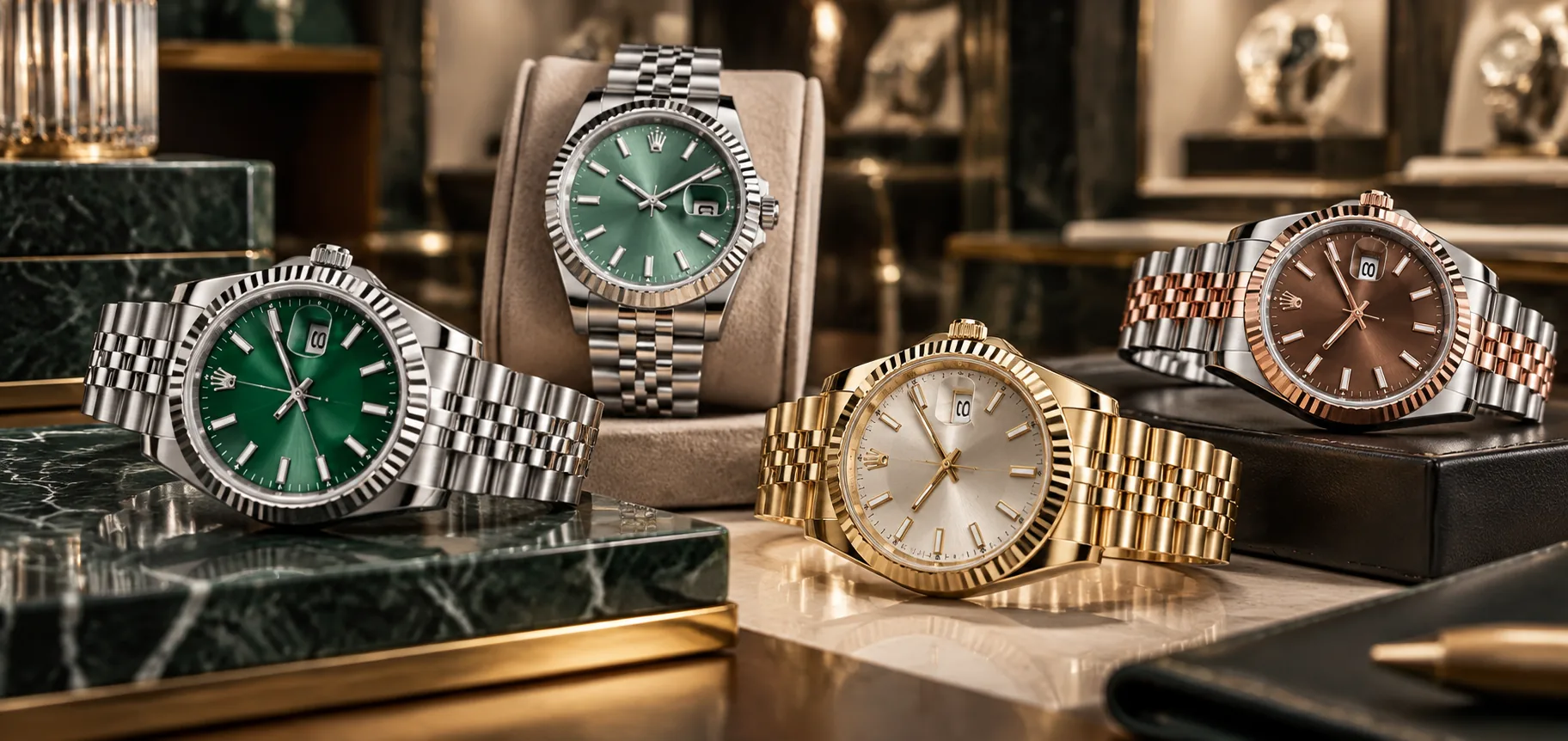
The GMT-Master II trades above retail across most of its steel range, with the Pepsi and the Batman leading and the newer Sprite settling into a solid position behind them. The premium is smaller than the Daytona’s in cash terms because the entry price is lower, but as a proportion of what you paid it has been consistent, and the GMT has one advantage the Daytona lacks: supply is slightly better, so buyers can usually find the reference they want in stock at a London dealer without a long search. Two-tone Rootbeer references hold well because of their distinctive look, and the meteorite dial Pepsi has moved into serious collector territory.
Shop the Rolex GMT-Master II collection
Daytona or GMT-Master II: how do they compare side by side?
| Rolex Daytona | Rolex GMT-Master II | |
|---|---|---|
| Steel entry price band | High teens to mid twenties of thousands | Low to mid teens of thousands |
| Position against retail | Strongest premium of any current Rolex | Clear premium, smaller in cash terms |
| Waiting list at retail | Years, often closed | Long, but shorter than the Daytona |
| Availability pre-owned | Limited, moves quickly | Good across most bezel colours |
| Best-performing references | 126500LN, 116500LN, panda dials | Pepsi, Batman, meteorite Pepsi |
| Precious metal versions | Closer to retail unless a rare dial | Closer to retail, Rootbeer holds well |
| Daily wearability | Thicker, chronograph pushers | Thinner, screw-down crown, travel function |
| Who it suits | Value first, larger budget | Wear first, travel, lower entry |
Which should you buy in 2026?
Buy the Daytona if the budget stretches to the mid-twenties of thousands and value retention is the first priority, because nothing else in steel holds a premium as reliably. Buy the GMT-Master II if your budget is in the low to mid-teens, you travel, or you want a watch that is easier to wear daily, since the GMT is thinner, more practical, and less conspicuous on the wrist. A useful test is to ask which one you would still wear if the premium disappeared tomorrow. The market can move, no dealer can promise a future price, and the watch you enjoy wearing is the one that never feels like a bad decision.
How do you protect the value of either watch?
Keep the full set together: box, warranty card, booklets, and original receipt, because a complete set resells faster and for more than the watch alone. Keep the service history, and have any service done by Rolex or a recognised independent so the record stands up. Avoid overpolishing, since sharp lug edges and a crisp bezel are what collectors check first and they cannot be put back. Insure the watch on a specialist policy rather than a household one. When the time comes to move on, a dealer who buys outright or takes part-exchange will give a quicker and often cleaner result than a private sale.
Key Takeaways
- The steel Daytona holds its value best of any current Rolex, led by the 126500LN and 116500LN.
- The GMT-Master II holds value almost as well in proportional terms relative to its lower entry price, with the Pepsi and Batman leading.
- Steel outperforms precious metal on both models, with rare dials the exception.
- A full set with service history and unpolished case protects the value of either watch more than anything else.
- Choose on wear as much as on value, because the market is never guaranteed.
Chrono Group holds both models in stock at its showroom on Birchin Lane in the City of London, each one inspected in-house and sold with an authenticity guarantee and a 12-month warranty. Browse the Rolex Daytona collection and the Rolex GMT-Master II collection online, or book an appointment to compare them on the wrist. Already own one and thinking of moving to the other? The part exchange service sets the value of your current watch against the value of the next one, so only the difference is payable.